
See ahead. Stay ahead. Discover AI built for the real world of industry. → Explore Forterro Platform & AI 

Forterro Cloud

Managed cloud for the industrial software your business depends on.

Keep critical Forterro systems secure, current and governed, with a managed operating model that reduces infrastructure burden and helps control operational risk.

The cost of falling behind

Industrial businesses run on software that cannot afford to fail, drift out of support or slow the operation down. As cloud, platform and AI capabilities continue to evolve, critical systems need a managed foundation that keeps them secure, resilient, governed and ready for what comes next.

Forterro Cloud reduces the burden of infrastructure management and major upgrade cycles, helping supported systems stay aligned with evolving security, platform and product standards as the business grows.

Cloud 2

Reduce infrastructure overhead, focus on governance.

Forterro Cloud reduces the infrastructure management, patching and upgrade coordination carried by internal IT teams, so they can focus more on performance, risk, access control and business change.

Process 2

Stay current, adopt new capabilities with control.

Managed updates help supported Forterro systems stay aligned with current security, platform and product releases, giving businesses a clearer path to adopt new capabilities where they are available for their product and environment.

Controlling / Growth

Scale operations without scaling infrastructure risk.

New sites, users and demand can be supported without defaulting to new infrastructure projects, while governance, access and operational responsibilities remain clearly defined.

Forterro Cloud gives supported systems a managed operating foundation for staying secure, current and ready for the platform and AI capabilities Forterro is bringing into industrial operations.

Built to run your business, 
not to disrupt it. 

Control is not something cloud takes away - it is something cloud strengthens. 

Forterro Cloud works within how your organisation already operates. Access is role-based, responsibilities stay clearly defined, and decisions remain with your team - even as systems develop and agentic AI advances. The intelligence is embedded in the software. The control stays with you. 

Perspectives from our user community

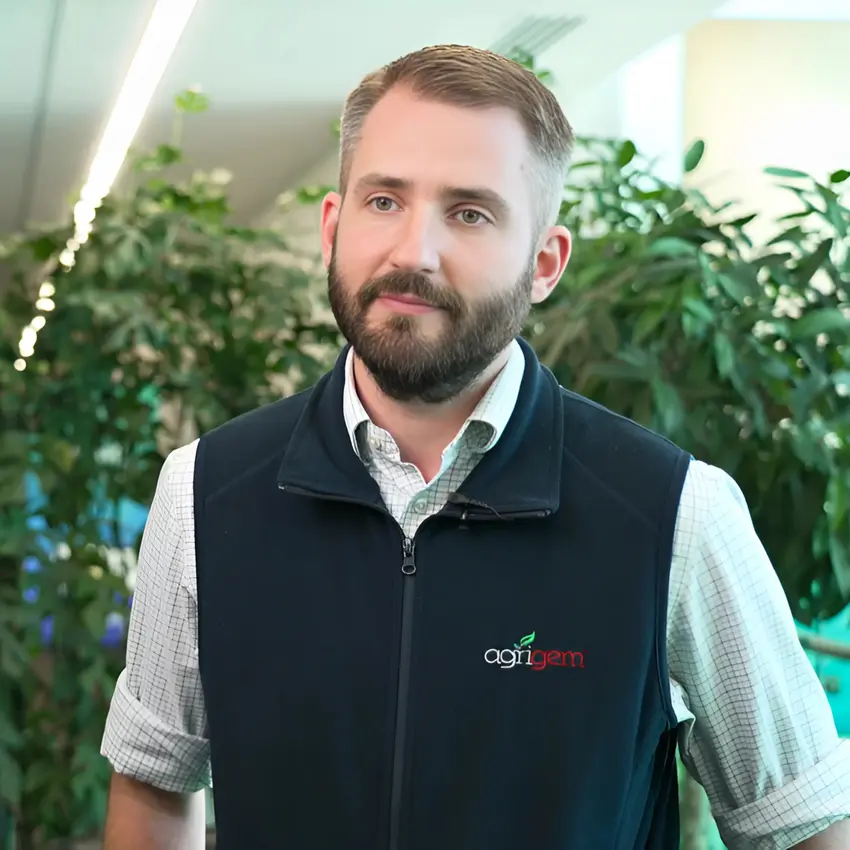
“You just don’t need to think. It takes the thinking away and instead you just ‘do’.”

Dave Best, Operations Director 

Agrigem | UK
dave best

“The AI works extremely well, makes virtually no errors and is very easy to use. In our case, we simply drag and drop the order PDF and run the process.”

Raul Ramajo, Operations Director

Aquaram | Spain
valves and fittings business

“The integration of the system will allow our employees to work with coherence harmony and no longer in isolation. Everyone will have the right information, at the right time and in the right place.”

Stéphane Buffa, Director of Operations

Abipa | France
stephane-buffa

"The arrival of AI opens up new possibilities for automation, user support and extracting value from data. I was therefore very interested to see it introduced into our ERP system."

Oussama Benabed

Larbaletier | France
erp finance

“Before, we wasted time searching for information. Today, we know that it exists in the system.”

Corentin Bole, Production Manager

DMG | France
Ein junger Mann mit Brille sitzt an einem Schreibtisch in einem modernen Büro, arbeitet an zwei Monitoren und lächelt in die Kamera.

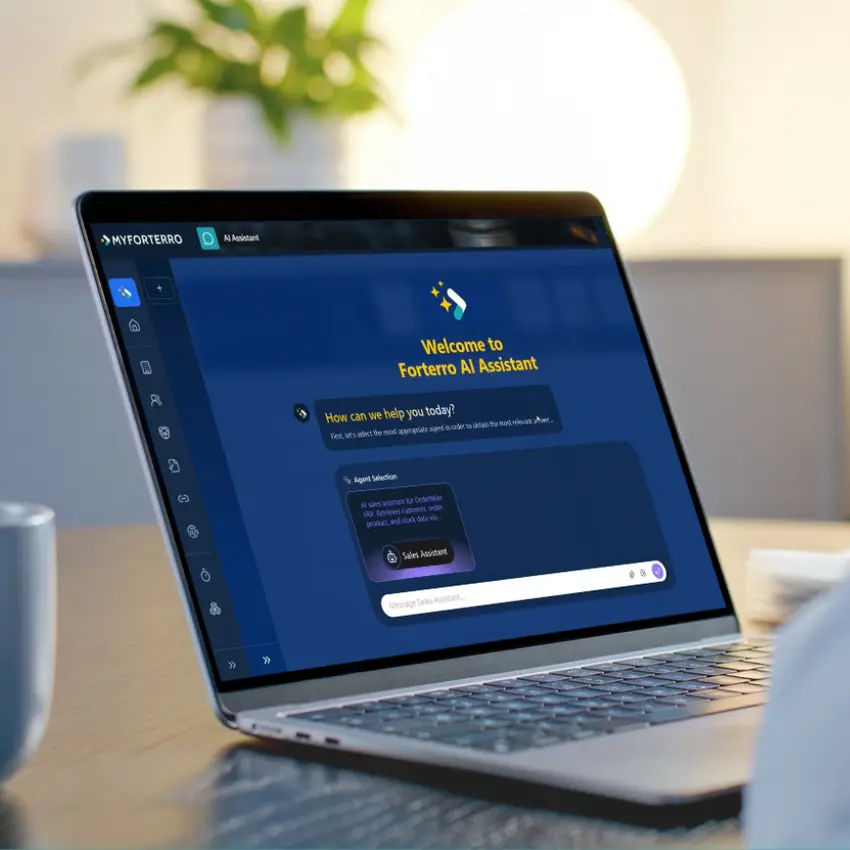
"One of the newer features we’ve found really useful is the AI cross-sell functionality. It looks at previous orders and common products sold together, helping make sure nothing obvious gets missed when putting a quote together." 

CIE Group | UK
MyForterro.ai

“We can access the system more easily from anywhere. That was a major point for us.”​

Angela Wälder, Process & Sales Manager

Ketten Wälder | Germany
What is cloud ERP

“Everyone can access the information they need at any time. No drawings go missing, and when something changes, the latest version is immediately available on the shop floor.”

Josef Heisterkamp, Operations Manager

Alubau Puhlmann | Germany
josef-heisterkam

“You can’t get an ERP system up and running faster than from the cloud. The easy scaling meets our desire for growth.”

Darko Pinter, Managing Director

H+ fluid | Germany
Darko Pinter, Geschäftsführer der H+ fluid GmbH

“By leveraging AI, existing data can be used far more flexibly and in a much more application-specific way than with traditional dashboards."

Forterro Customer
agentic ai in your ERP

What Forterro Cloud delivers

cloud server

Managed infrastructure and operations

Infrastructure management, patching, hardware refresh cycles and upgrade coordination are handled through a managed cloud operating model, helping IT teams focus on performance, governance, risk and business change.

aws

Secure cloud foundation, built on AWS

Forterro Cloud uses Amazon Web Services as the infrastructure foundation for supported deployments, with security, availability and resilience managed through the agreed Forterro Cloud operating model.

laptop on the cloud

Managed updates and controlled adoption

Security updates, platform improvements and product releases are managed through Forterro Cloud, giving customers a clearer path to adopt new capabilities where they are supported for their product and environment.

cloud operation

Configuration and integration continuity

Existing integrations, customisations and operational configurations are reviewed before migration, so the cloud path can be planned around what must be protected, adapted, retired or revalidated.


Technical assurance for cloud decisions

Before any migration path is agreed, Forterro Cloud discussions should clarify the operating model, data location, backup and recovery approach, monitoring, support routes, update process, access responsibilities and any product-specific availability constraints. 

The aim is to make technical assumptions explicit before commitment, not after cutover.


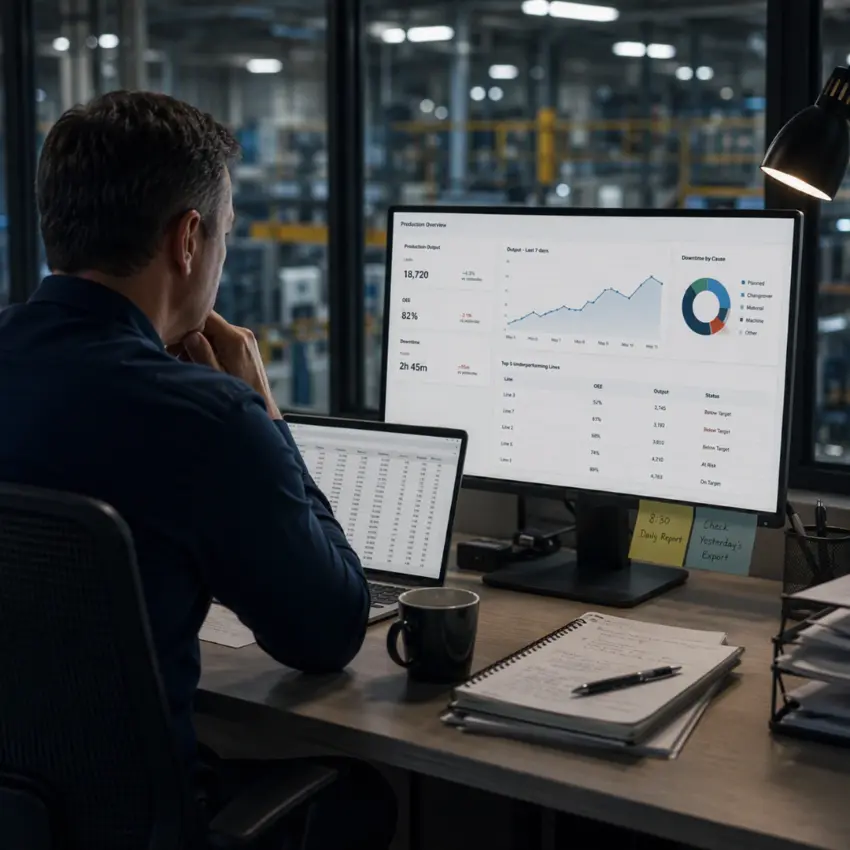
IT teams running infrastructure instead of the business

Before:

Server management, patching and upgrade coordination consume IT capacity. Time is spent keeping systems running, delaying work that could improve performance or support change.

After:

Infrastructure is managed through the Forterro Cloud operating model. IT focus shifts away from upkeep and toward governing performance, risk, access and change across the business.


Growth constrained by infrastructure that can't keep up

Before:

Expanding to new sites or adding users on ageing on-premise systems requires new hardware, added complexity and another upgrade cycle. Growth is tied to infrastructure readiness rather than business need.

After:

Capacity can be planned and managed through the cloud operating model. New sites, users and demand can be supported without defaulting to separate infrastructure projects or upgrade dependencies.

Operations running on data that is already out of date

Before:

Older ERP versions force teams to rely on exports, reconciliations and manual checks. Decisions are made after issues surface, increasing the gap between a problem emerging and it being addressed.

After:

Supported systems stay aligned with managed security updates, platform improvements and product releases, reducing the risk that operational decisions depend on outdated software or manual workarounds.

Ageing infrastructure carrying compounding risk

Before:

As infrastructure ages, hardware failures become more likely, vendor support narrows, and security exposure increases — often unnoticed until disruption occurs.

After:

Infrastructure is maintained and updated through the agreed cloud operating model, helping reduce accumulated technical risk while keeping operational responsibilities clearly defined.

New capabilities deferred by every upgrade cycle

Before:

Each deferred upgrade delays access to new capability. Innovation arrives in cycles, limiting the business to what is already in place while requirements continue to move.

After:

Where supported for the customer’s Forterro product and environment, new platform and AI capabilities can be adopted through a clearer release path, rather than being delayed by major upgrade projects.


What to expect from a 
Forterro Cloud migration

For most mid-sized industrial businesses, the primary concern is not whether cloud makes sense. It is how to move without disrupting the business.

A successful migration is defined by how effectively it protects operations, not by how quickly it completes. Cutover is governed around production schedules. Financial periods are protected, customer commitments are mapped before a date is set, and integ rations, customisations, data flows and critical workflows are assessed before migration begins.
 

Comments

Assess

Infrastructure, integrations, customisations and business-critical data flows are reviewed before any migration path is defined. Scope, responsibilities, risks and success criteria are agreed upfront before commitment is made.
Process 1

Migrate

Migration is planned around production schedules, not the implementation calendar. Agreed critical workflows are tested and signed off, with a rollback plan in place until your operations team confirms readiness.

Process 2

Run

Software runs on managed cloud infrastructure under the agreed Forterro Cloud operating model. Updates, security maintenance and product releases are managed through the service, giving customers a clearer path to adopt new platform and AI capabilities where they are supported for their product and environment.

Talk to us about cloud

For deeper questions on data governance, access control, protection and responsible AI foundations, the Forterro Data & Security page should be used alongside this cloud discussion.